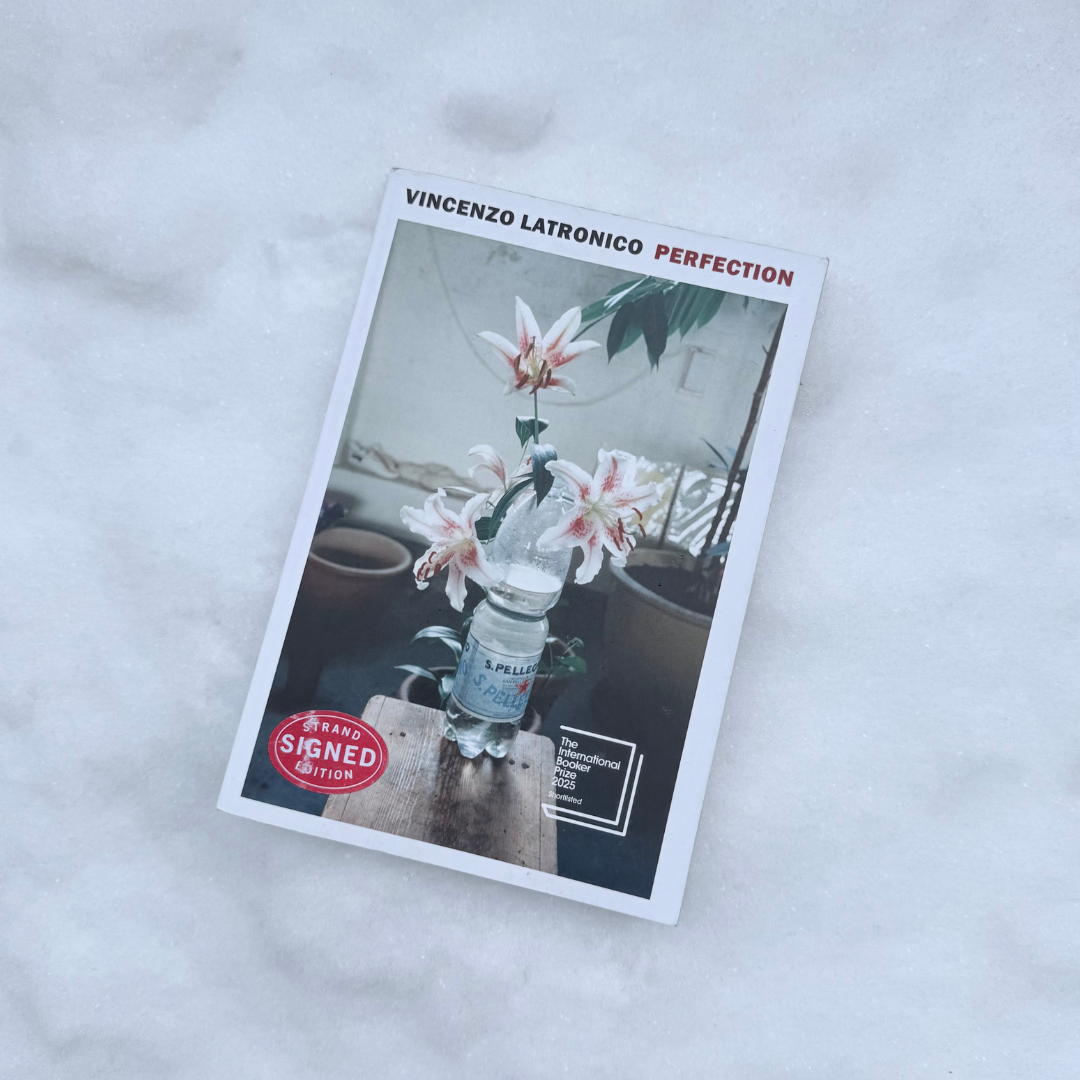


Esta novela pone en palabras demasiadas cosas que antes no había sabido expresar, cosas que son consecuencia directa de vivir en la nueva era de las redes sociales. Un ejemplo:
“These new emotions weren’t all negative. What was that rush they would get after a particularly popular post? And the itch that made them look up from their work every twenty seconds, every minute, to refresh the page and watch the number of likes clock up, as if it were a stock ticker or a scoreboard? They felt it every day, and yet that feeling had no name.”
El principio es super fastidioso: Latronico empieza con una larrrrrga (y ladilla) descripción de un apartamento, tan larga que pareciera que el apto es un personaje también. Ahi viven Tom y Anna, una pareja de expatriados en Berlin obsesionados con las redes sociales y la vida “aesthetic.” La novela sigue a Tom y Anna a lo largo de los anos mientras saltan de ciudad en ciudad buscando el lugar mas perfecto para su vida virtual, y la verdad es que no pasa mucho. No hay dramas, no hay diatribas morales, no hay cliffhangers. Nada. Solo vemos como los anos le pasan a Tom y Anna mientras viven su vida vacía. Y creo que el libro tiene como meta servirnos de espejo: cuantos de nosotros perseguimos ese “little rush” que nos dan los likes, y que tanto nos afecta el que diran o no de nosotros?
Esta novela no es satisfactoria de una manera tradicional. Jamas van a sentir emotional investment por Anna o Tom, son cero memorables. Pero si quieren leer una opinion super cruda sobre lo vacia que puede ser nuestra vida de hoy en dia, este libro es perfecto para ti.
Lo curioso del libro es que el autor lo escribió como un tributo a la novela Things: a Story of the Sixties por Georges Perec, publicada en 1965. Ambas historias comienzan con una descripción larga y extremadamente detallada del apartamento donde viven los personajes principales, y ambas novelas presentan a una pareja joven con nombres genéricos que viven una trama similar. Las diferencias entre ambos libros resaltan los distintos valores de las dos épocas: Mientras que la pareja de la novela de Perec se definían a sí mismas por las cosas materiales, los personajes millennials de Latronico están obsesionados con la perfección de sus redes. Los de Perec intentan alcanzar la felicidad acumulando bienes materiales; los de Latronico intentan que la realidad se ajuste a la perfección de lo que vemos en redes sociales.
Muchas frases me dejaron fría. Les comparto algunas:
“Anna and Tom had grown up with the notion that individuality manifested itself as a set of visual differences, immediately decodable and in constant need of updating”
“They will make time to take some photos for Instagram, but will struggle to crack a smile as they think about all the work still to be done. They will drop barbed remarks about the weekend’s hitches, without proposing any solutions. They will drink at lunchtime, doze off in the sun, and wake up feeling foggy and sluggish, with a pounding head and too much to do. But then they will receive notifications of the first reviews, and all that weight will instantly lift. Three will have come in, all of them giving five stars. One will be by a woman with over three hundred thousand followers, who will have tagged them in a post praising, as per their agreement, the relaxed but impeccable welcome, the choice of natural wines, the simple, elegant decor—Mediterranean and yet unmistakably international. It’s all completely perfect, the story will say. It’s just like it is in the pictures.”
“They all spent their lives in plant-filled apartments and cafes with excellent wifi. In the long run it was inevitable they would convince themselves that nothing else existed.”
“An egg became more famous than the pope. A highly contagious virus raged through West Africa. A billionaire poured a bucket of ice on his head. A fashion brand exploited East Asian sweatshop workers. A young woman recorded all the times she was catcalled. Two African Americans were killed by the police. A man went around filming first kisses. A plane vanished en route to Beijing. A woman was beautiful. An apartment full of plants was beautiful. A vegan quiche was beautiful. A child needed money for chemo. Time disappeared.”
Lo lees?